
How it works
Movin' In Minutes
See the setup up close
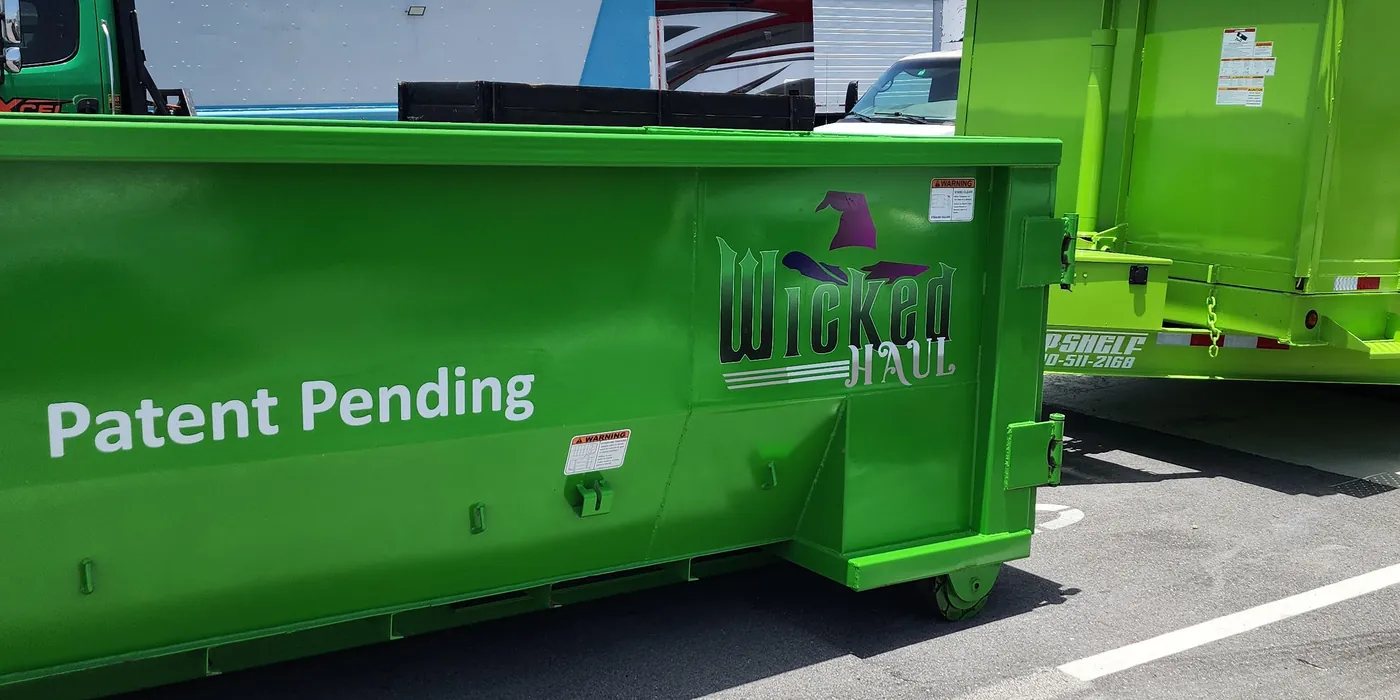
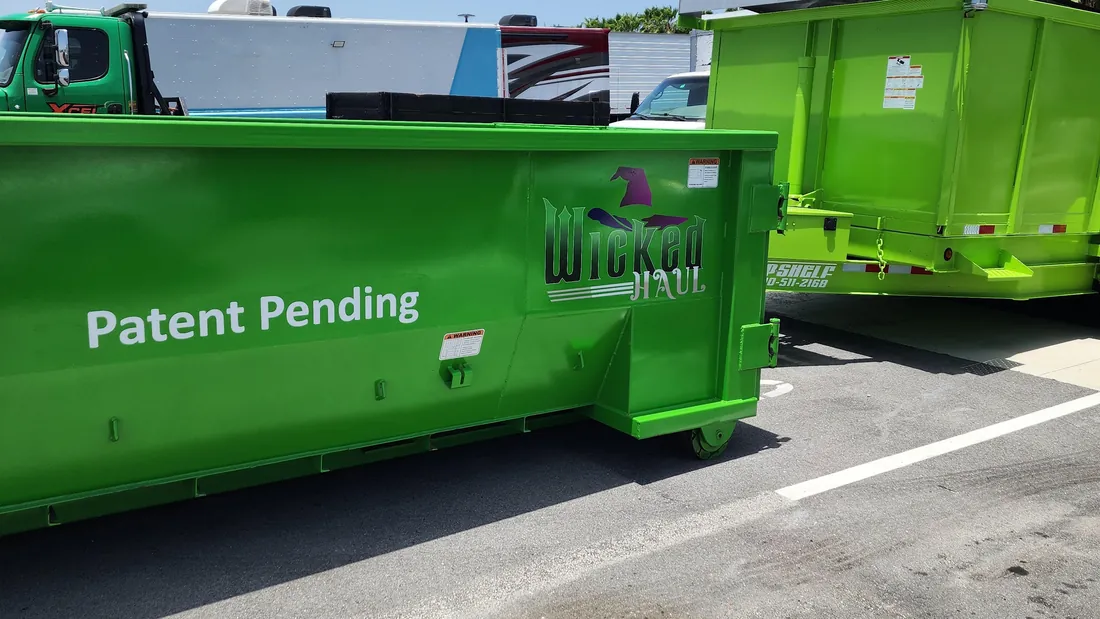
The wheels stay with the dumpster. When it needs to move, a tow bar connects it to a truck, or a Power Pusher moves it around the site. The walkthrough shows the parts and how they work together after drop-off.
The four pieces
- 1
The corner castings
ISO 1161 corner castings, called con-blocks, are the fittings on all four corners of every shipping container in the world. They are internationally standardized, which means the mounting works anywhere and the parts are not proprietary to one region or one builder. Your dumpster manufacturer welds them in during the build.
- 2
The wheels
Rotating wheels go on the front edge, into those castings. Mount them permanently or pull them when a particular job does not need them. The front casters are urethane. The rear ground rollers are rubber or urethane, and replacement wheels may be rubber down the road. Nothing steel touches the ground, which is what makes the unit driveway safe.
One set of wheels comes with a leased unit. Extra sets are purchased.
- 3
The tow bar
Our tow bar system connects the unit to a truck, and it is also what lets a crew bump the dumpster forward or back a few feet without hooking up properly. On a roofing job that means nudging the unit under the chute to spread a pile, instead of sending somebody into the dumpster with a rake.
- 4
The Power Pusher
For moving a unit around a site without a truck at all, there is the Power Pusher, available only through Wicked Haul through our partners at Power Pusher. The hauler buys it outright and owns it, and we sell it just under retail.
What changes on the ground
- Place a unit in a parking space, backwards if the doors need to face out.
- Bring a dumpster inside a building under construction and collect waste at the source.
- Keep several units on a large site and swap them without a hook lift truck standing by.
- Set a unit on a residential driveway without the damage conversation afterward.
- Move a dumpster twenty feet without dispatching a driver.
Common questions
How do the wheels attach to the dumpster?
They mount into ISO 1161 corner castings, the standardized con-blocks used on shipping containers. The dumpster manufacturer installs the castings during the build, and the wheels go into them either permanently or as a removable setup.
Will the wheels damage a residential driveway?
No. The front casters are urethane and the rear ground rollers are rubber or urethane, so there is no steel riding on concrete.
How does a crew actually move the unit?
Either with a truck using the tow bar, or with a Power Pusher unit. The tow bar also lets a crew bump the dumpster a few feet by hand-scale force, which is usually all that is needed on site.
What comes with the lease and what do I buy?
Wicked Haul supplies one set of wheels with the leased unit. Additional wheels, the tow bar, and a Power Pusher unit are purchased separately. The Power Pusher is sold outright, so the hauler owns it.
Want the full spec sheet?
Tell us what you run and we'll send it over.